

Learning in Alaska: Cold, Wet, Wild, and Worth It
September 10, 2026
Our Global Studies: Alaska class began the year by exploring how communities use evidence to improve health, from infectious disease and chronic illness to social determinants of health and the future role of data and artificial intelligence. Now in Alaska, those ideas have moved beyond the classroom as students see how geography, culture, access, and resources shape health in real communities.
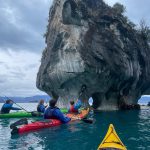
A four-day sea kayaking expedition in Resurrection Bay brought that learning to life. Rain, cold temperatures, and wet gear tested students’ resilience, but also strengthened their teamwork. They learned to care for their equipment, support one another, and find joy even when conditions were challenging. As one student reflected, “Everyone was a team during the struggles.” Another found comfort in the simple luxury of waking up warm and dry in a sleeping bag and several agreed that hot cocoa has remarkable restorative powers.
Resurrection Bay was also an extraordinary outdoor classroom. Students encountered harbor seals, Steller sea lions, sea otters, salmon, bald eagles, porpoises, jellyfish, sea stars, sea urchins, and an incredible diversity of birds. Surrounded by mountains, glaciers, waterfalls, and ocean, they observed closely, asked questions, and developed a deeper appreciation for the interconnected natural systems around them. One student described Alaska as “chilly and wet but magical.”
Students are also taking increasing responsibility for the daily work of the trip, cooking and cleaning in rotating crews and learning that successful group travel depends on everyone doing their part. Even an unexpected plumbing issue at our lodging became a hands-on lesson in P-traps, water shut-off valves, and proper plunger technique.
At the Seward Library, students began the next major academic component of the course: a policy brief. Each student is developing a recommendation for a health official, politician, or tribal health leader that addresses a real public health issue. (Yes, this GS trip is unique from our Mod 6 trips which are zero tech.) The assignment asks them to apply their learning about epidemiology, evidence, health disparities, and communities to advocate for meaningful change.
The group still has much ahead, including visits to Exit Glacier, the Kachemak Bay National Estuarine Research Reserve, and the Homer Public Health Center. These experiences will continue to shape the questions students ask, the policies they propose, and their understanding of what it means to improve the health of a community.
Alaska has been cold, wet, beautiful, challenging, and magical. Most of all, it has reminded students that they are capable of far more than they sometimes think.